
Introduction
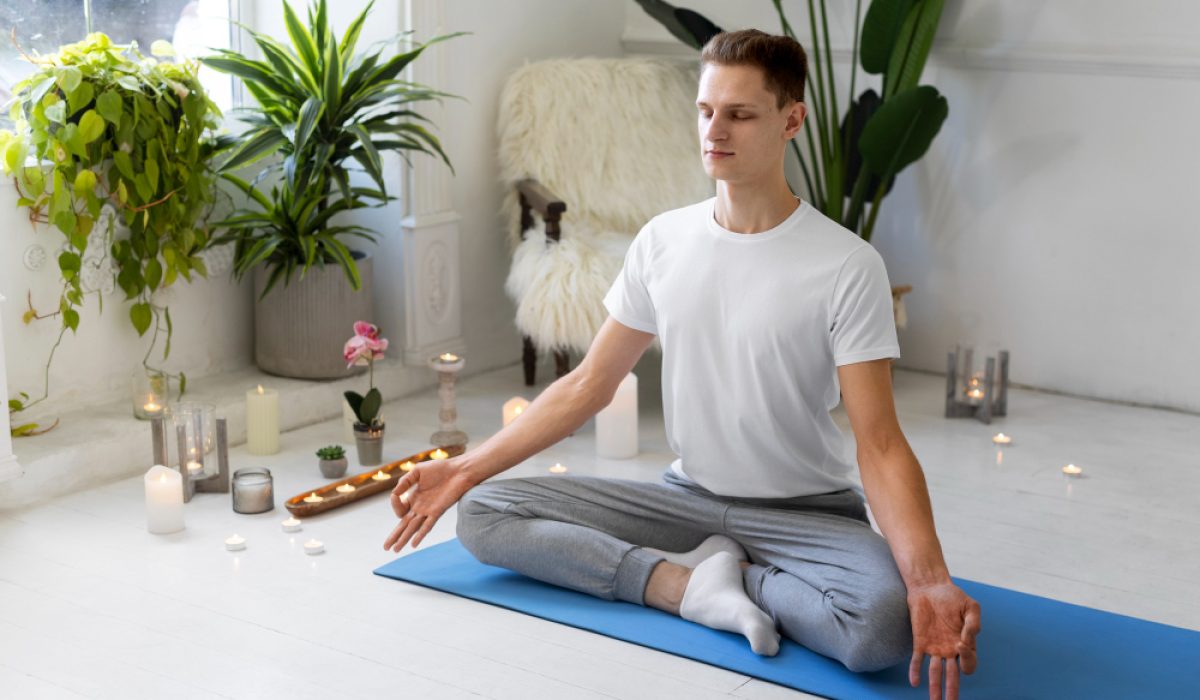
Many people are now exploring the healing power of yoga and meditation in rehab. These practices are gentle, safe, and easy to learn. Yoga uses simple movements and breathing. Meditation helps calm the mind. Rehab, or rehabilitation, is a process that helps people recover from illness, injury, or addiction. Together, yoga and meditation offer new hope for healing. In fact, more rehab centers now use these methods for better results.
Benefits of Yoga and Meditation in Rehabilitation
Yoga and meditation bring many benefits to people in rehab. For example, they help the body and mind heal together. Many experts call this approach holistic healing in rehab. Here are some key benefits:
Because of these benefits, many rehab programs now include yoga in rehabilitation and meditation for recovery.
How Yoga Supports Physical and Mental Recovery
Yoga is more than just stretching. It helps the body become stronger and more flexible. For instance, gentle yoga poses can ease muscle pain and improve balance. Breathing exercises in yoga also help relax the body. As a result, people feel less tense and more comfortable.
On the other hand, yoga also supports mental recovery. It teaches people to focus on the present moment. This can lower feelings of worry or sadness. In addition, yoga builds self-confidence. Over time, people in rehab may feel more hopeful and positive.
Meditation Techniques for Rehab Patients
There are many types of meditation for recovery. Each one can help in a different way. Here are some simple techniques:
Even a few minutes of meditation each day can make a big difference. Many rehab centers teach these simple practices to their patients.
Scientific Evidence and Case Studies
Many studies show the benefits of yoga and meditation in rehab. For example, research in the Journal of Alternative and Complementary Medicine found that yoga reduced pain and improved mood in people with chronic illness. Another study in JAMA Psychiatry showed that meditation helped lower anxiety and depression during recovery. The World Health Organization (WHO) also supports the use of mind-body practices in rehab programs. These findings suggest that yoga and meditation are safe and helpful for most people in rehab.
Practical Tips for Starting Yoga and Meditation in Rehab
Starting yoga and meditation in rehab is simple. However, it is important to go slow and listen to your body. Here are some tips to help you begin:
With regular practice, you may notice small changes in how you feel each day.
Safety Considerations and Professional Guidance
Yoga and meditation are safe for most people. Still, it is wise to talk with your doctor or rehab specialist before starting. Some poses or breathing exercises may not be right for everyone. For example, people with certain injuries should avoid some movements. A certified yoga teacher or therapist can help you choose safe practices. In addition, always stop if you feel pain or discomfort. Professional guidance ensures you get the most benefit from yoga in rehabilitation and meditation for recovery.
Conclusion and Call-to-Action
In summary, the healing power of yoga and meditation in rehab is clear. These gentle practices support both body and mind. They help reduce stress, ease pain, and build hope. If you or a loved one is in rehab, consider adding yoga and meditation to your recovery plan. Consult a certified yoga or rehab specialist for personalized guidance.