
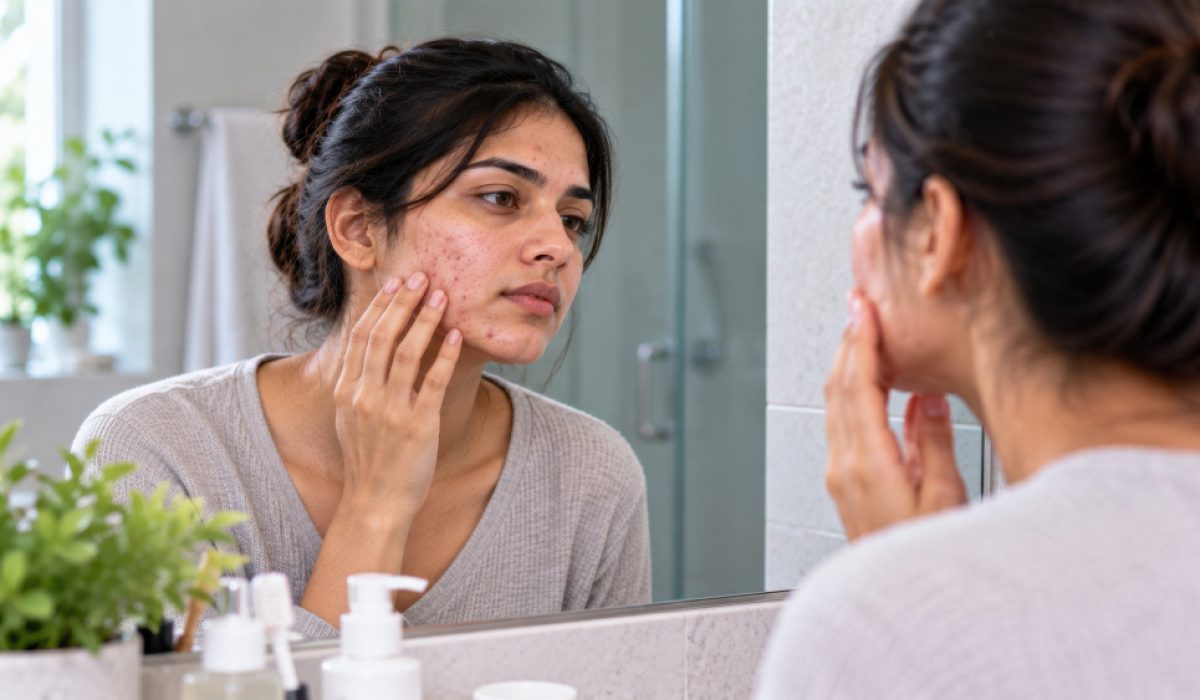
Why Monsoon Affects Skin Health
During the monsoon, the air becomes humid and damp. As a result, your skin faces new challenges. Humidity can make your skin oily. At the same time, sweat and dirt stick to your face more easily. Because of this, your skin may feel sticky or itchy. In many cities, like Mumbai or Kolkata, people notice more skin problems during rainy months. Even though rain cools the air, it creates a perfect setting for germs to grow. Therefore, you may see more breakouts and skin infections in the monsoon.
Common Skincare Mistakes During Monsoon Season
Many people make simple mistakes with their monsoon skincare. However, these mistakes can harm your skin. Below are some common monsoon skincare mistakes:
Because these habits are easy to overlook, many people repeat them daily. Yet, each mistake increases your risk of skin trouble.
How These Mistakes Lead to Breakouts and Skin Infections
When you skip washing your face, sweat and dirt block your pores. As a result, pimples and blackheads can form. If you use heavy creams, your skin may trap more oil. This makes breakouts worse. Furthermore, staying in wet clothes or not drying your skin allows fungi and bacteria to grow. According to the World Health Organization (WHO), damp skin is more likely to get infections like ringworm or athlete’s foot. In addition, touching your face with unclean hands spreads germs. Even sharing towels can pass bacteria from one person to another. Because of these reasons, breakouts and infections are common in the rainy season.
Evidence-Based Tips to Avoid These Mistakes
Thankfully, you can protect your skin with simple steps. For example, the Centers for Disease Control and Prevention (CDC) recommends washing your hands often. Here are more tips to prevent skin problems in the monsoon:
Because these steps are easy to follow, you can keep your skin healthy all season.
Safe, Natural Skincare Practices for the Monsoon
Many people want natural skincare for monsoon days. In fact, yoga and naturopathy offer helpful ideas. For example, yoga encourages daily cleansing and mindful routines. You can try these natural tips:
Because these practices are gentle, they suit most skin types. However, always test new products on a small area first.
Prevention Strategies for Healthy Skin in Humid Weather
Preventing skin infections in rainy season is possible with good habits. First, keep your skin clean and dry. Next, wear loose, breathable clothes. For example, cotton fabrics help your skin breathe. You should also keep your nails short and clean. If you sweat a lot, use a soft towel to pat your skin dry. In addition, keep your home dry and well-ventilated. Because germs love damp places, this step is important. Finally, eat a balanced diet rich in vitamins and minerals. These nutrients help your skin fight off infections. By following these prevention strategies, you can enjoy healthy skin even during the wettest months.