
Understanding Seasonal Allergies and Their Impact
Many people suffer from seasonal allergies each year. These allergies, also called hay fever, can cause sneezing, itchy eyes, and a runny nose. For some, symptoms make daily life hard. As a result, people often look for natural allergy relief. While medicines help, some want alternative treatments for allergies. Acupuncture for seasonal allergies is one option gaining attention.
What Is Acupuncture?
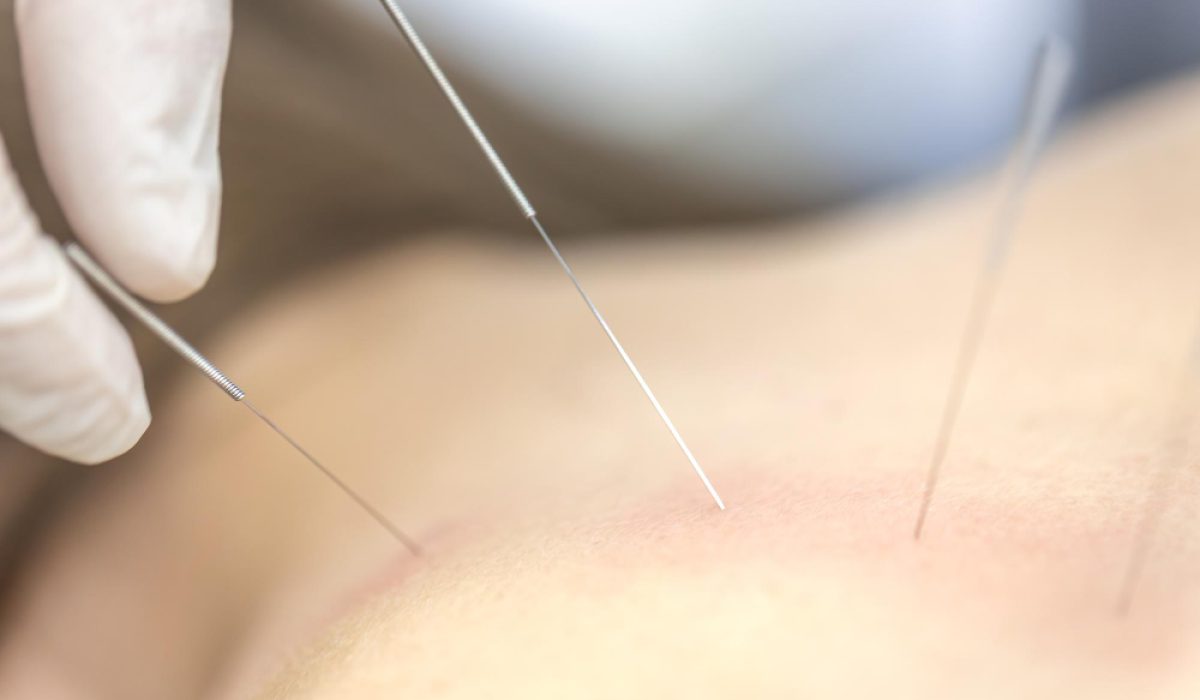
Acupuncture is an ancient practice from China. It involves placing very thin needles into specific points on the body. Although it may sound scary, most people feel little to no pain. The World Health Organization (WHO) recognizes acupuncture as a safe treatment when done by trained professionals. Many use it for pain, stress, and now, allergies.
How Acupuncture May Help with Seasonal Allergies
But how does acupuncture for hay fever work? Experts believe it helps balance the body’s energy, called “qi.” Some studies suggest acupuncture may lower inflammation and boost the immune system. For example, a review in the journal Annals of Internal Medicine found acupuncture can reduce allergy symptoms for some people. However, more research is needed to fully understand how it works.
Still, results can vary. Therefore, it is important to talk with a healthcare provider before starting any new treatment.
Benefits and Potential Risks of Acupuncture for Allergies
Acupuncture for seasonal allergies offers several possible benefits. First, it is a natural allergy relief option. Second, it rarely causes serious side effects when done by a trained practitioner. Third, it may help people who do not want to rely only on medicines.
However, there are some risks. For instance, minor bruising or soreness can happen at the needle sites. Rarely, infection may occur if needles are not sterile. Because of this, always choose a licensed and experienced acupuncturist.
What to Expect During an Acupuncture Session
If you try acupuncture for hay fever, here is what you can expect:
Usually, several sessions are needed for best results. But everyone is different, so your plan may change based on your needs.
Lifestyle Tips for Managing Seasonal Allergies Alongside Acupuncture
While acupuncture for seasonal allergies can help, other steps may also ease symptoms. For example, try these tips:
Combining these habits with acupuncture may offer better relief.
Prevention and When to Seek Medical Advice
Preventing allergies is not always possible, but you can lower your risk. For instance, avoid triggers like pollen or dust when you can. If your symptoms are severe or do not improve, see a doctor. Sometimes, allergies can cause asthma or other serious problems. Therefore, medical advice is important if you have trouble breathing, chest pain, or swelling.
Conclusion
In summary, acupuncture for seasonal allergies is a natural option that may help reduce symptoms. It is safe for most people when done by a qualified practitioner. However, it is not a cure, and results can vary. Consult Dr.Nadipathy for personalized advice on acupuncture for seasonal allergies.